Blogs
Replacing old solar panels: Get a Detailed Guide
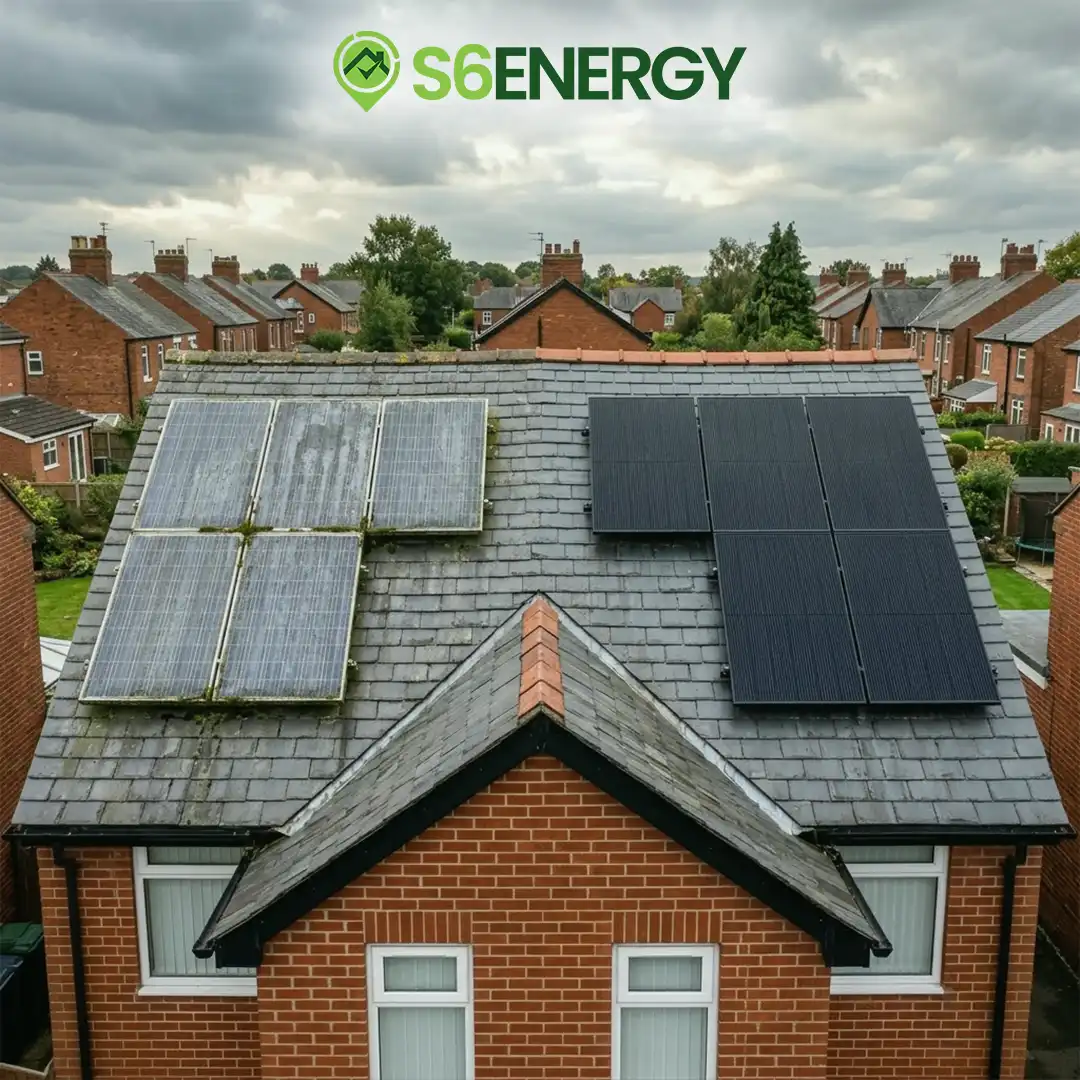
If you want to add an EV charger, heat pump, or battery and your current solar panels are not compatible, then you can make the decision for replacing old solar panels.
UK homeowners have solar panels for 8 to 20 years with a warranty. Most homeowners upgrade, expand, or repair them for long-term use.
Here you can seek help on how you can replace them with financial sense and without any money wastage. If you want to replace a solar panel or inverter, then it is not a big problem; you have to call installers or visit companies’ websites, where you can find how easily you can replace your panel system.
Is it necessary for you to replace old solar panels?
It is not necessary, but if there is gradual damage, then you can replace it. Here are some causes which makes sense to replace your solar panel
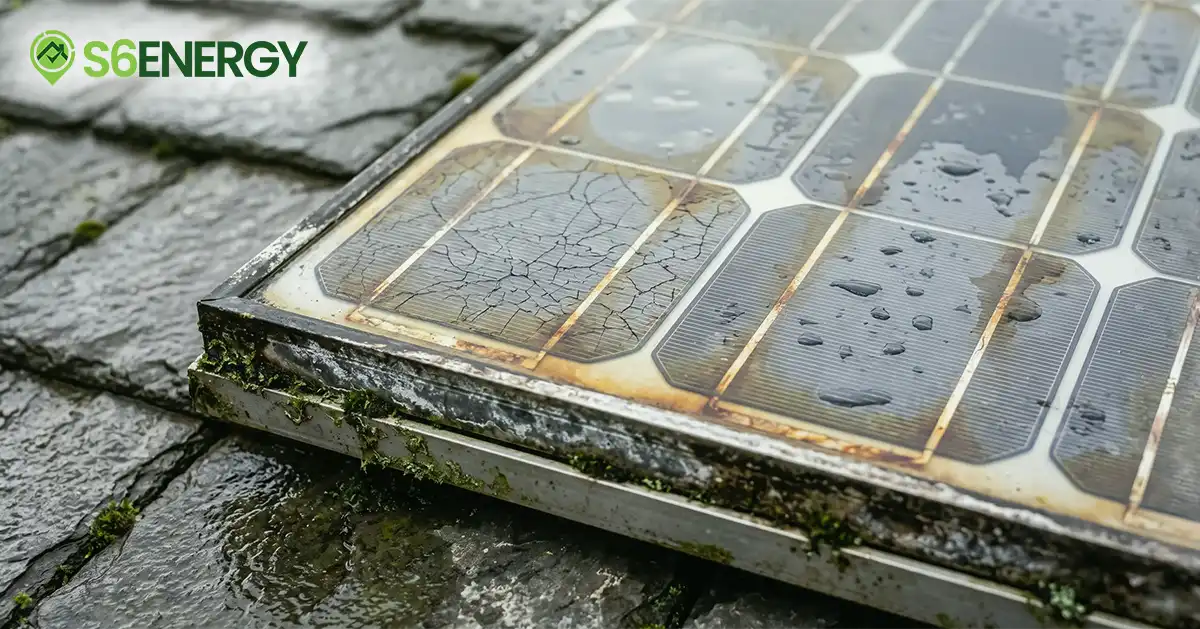
- Cracks on the surface, and your solar system has been hit by a heavy hailstorm, or no repair can fix it.
- If your panel consistently underperforms and it’s dropped well, but it’s not down to shedding, inverter issues, dirt on the surface and monitoring glitch. It means the panel is having a problem.
- In case of hotspots or faults repeatedly hitting your panel, then this is the actual efficiency-killing problem and cause of safety risk, so these can be a big error to replace.
Sometimes solar panels of all ages can perform perfectly, but mostly in the UK, these panels installed from 2010 are 90% perform well, with excellent output. Replacement and repair cannot happen automatically. In fact, there are some expenses required to maintain their surface and to keep them healthy.
Solar panels’ lifespan in the UK?
Because of the UK climate, solar panels can be very resistant until the weather gets extreme.
A modern solar panel system can last for 30 years, with a performance warranty, which is a promise from different companies with 80% output at the end of the period.
Most of the solar panels can work for 30 years, and a simple breakdown is here:
- Their life is around 25 to 30 years with good and strong output.
- The normal rate is 0.8% per year; they slowly fade.
- 25 years of performance and 87.5% of original output is good enough for a homeowner.
- Performance warranty: 12 years of product warranty and covers all the facts, including manufacturing
- 25 to 30 years is the usual warranty of performance, and the outpost is decline over time.
- Inverters are the main part which go through actual damage and needs replacement after 15 years, because panels have a good warranty of 30 years, so if the inverter is not going good then do replace inverters first or inspect it.
For what reasons do people replace panels?
Some suspects are shown to replace panels because it is not a thought which comes with a blink to replace a solar system; it’s something practical which is needed because of severe damage.
Here you can see:
- Leakage or roofing and felt issues show that panels need repair.
- If scaffolding is already up and an upgrade is required at the same time, then this is the most cost-effective thing to do.
- Adding an EV charger, heat pump, storage battery or home area, then it may cause underpowered household electricity demand, so you have to upgrade it.
- If you have an old frame, then it can look so weird on your aesthetic home, so due to panel mismatching or stains, it doesn’t mean you have to replace it, but if you are selling the house, the buyer’s requirement must be fulfilled to replace it, but it’s up to them.
- panels do you have 20 to 30% efficiency when they are new and perform better even in low sunlight. You have to measure your roof space and limitations.
If there is any technology fault or a heavy storm hits your solar panel and causes damage such as hailstorms, microcracks, or water ringers, it’s good to replace. These are all common; you have to check FIT, which is potential-induced degradation. This is so basic, and to check the slow efficiency of the panel, which can be a cause of electrical stress or a leakage that disrupts performance or sudden failure.
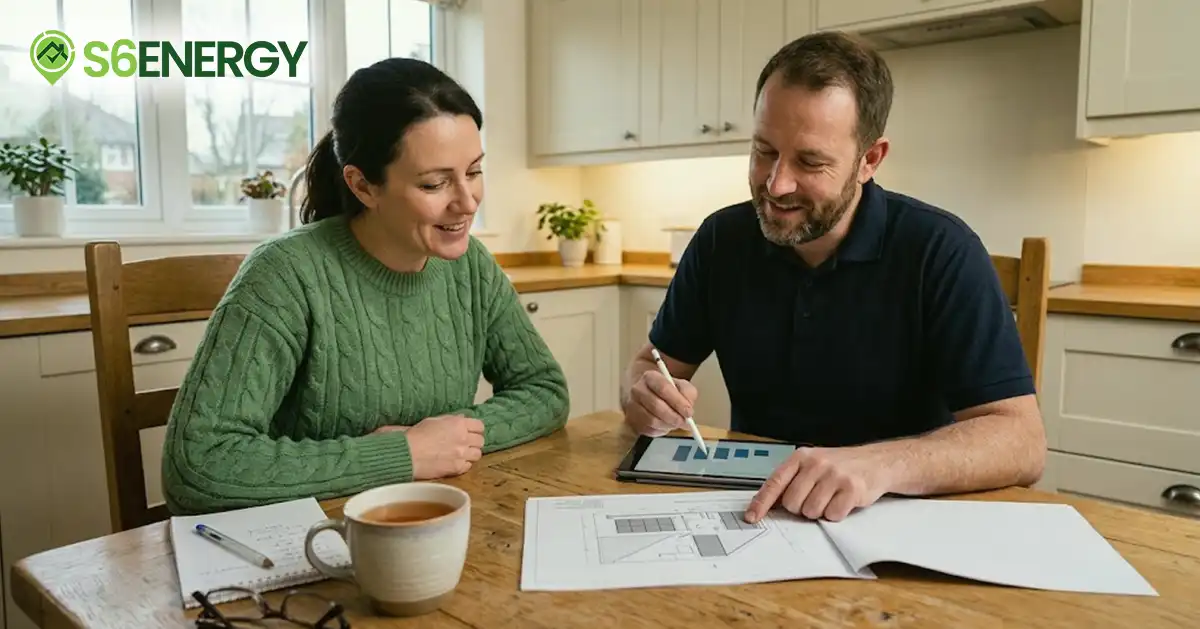
Replacing old solar panels vs adding more panels or replacing inverter
There is a need to diagnose your property properly and kindly inspect what the actual reason which damage your system.
If there is a reason for less output but the solar panels are quite fine, then it doesn’t mean there is something wrong with the panel; there are some culprits which have need some attention.
Such as:
- Shutdown and inverter error
- Connectors or cabling
- Soiling and bird mess are impactful
- Shading changes
- Monitoring errors
Three main routes are here
If you want more results with your existing panels. You have to add more solar panels, which have the best value and are easy to place on the roof. You have to check the export limit as well.
If your inverter is dead. You can easily replace inverters, which are commonly weak, and it’s a normal thing, except for replacing your old solar panels. It can cost £ 1,000 to 2000£. And this cost depends on the size, type, and set-up.
If you are replacing inverters
An older solar system can be compatible with modern inverters and have good compatibility, including voltage and warranties.
Can you make all the new panels?
Yes, it is possible to use all the new panels, but if you are paying, then the results can be defined by the design.
Voltage and ground are compatible in the whole string; when it ends up performing like the weakest link on the other side, one match can drag the rest down.
When you are putting all the new panels into separate strings, then they don’t fight with each other.
Using optimisers or micro inverters can easily manage panel-by-panel performance and give amazing results.
Why people feel it is necessary
It’s an option if you want better performance without any glitches; then you have to expand or upgrade your system.
The catch
If you have the wrong design, then it can cost you money because bad string sizing and a wrong inverter twice or a mismatched panel, can provide bad performance.
When you are going to install all the new panels, they work really well, but it’s better to hire an expert who can understand system design and can install according to your needs.
Does replacing all the solar panels affect your feed-in tariff?
If you have a solar panel system with a feed-in tariff, then you have to check all the rules before deciding between replacing or adding more solar panels.
There are some effect which are demanding on what you are going to do with the change.
If you want to replace all solar panels with the same capacity, then you have to check your FIT licence. Provide it if there is any requirement for documentation.
On the other hand, if you are deciding to add more solar panels to the existing ones to increase the capacity, then this will affect FIT. Extensions for FIT installation are not eligible for payments from January 2016 and onward.
For replacing or upgrading the solar system, keep in mind that everything is not possible to be upgraded and must have your existing FIT payments. The results are based on FIT agreements and meter set-up that you change.
Admin gotchas
- Ask your FIT licensee; they will tell you what they require in the document.
- Keep all MCS certificates and commissioning documents, including photos and meter details, because changes can require verifications for updates.
What is changing in 2026
It’s not about FIT getting phased out, but it’s about FIT tariff indexation switching from RPI to CPI annually for future adjustments, and it starts from 2026 till 2027. These are all as per the UK government licence modification.
- If you want to swap your panel to add capacity or change the meter, then it’s required to discuss all these scenarios with your FIT licensee and follow all the procedures accordingly.
- All paperwork is required for a simple upgrade because if you avoid all these, then it will be problematic for you.
Replacing solar panels cost
For replacing all solar panels, you can face a cost, but solar equipment is cheaper in price than it used to be.
In the UK mostly homes replace all the panels at a cost 5000£-10,000£. The cost always depends on the size of your system and the home’s requirements.
Here is the main cost, which includes ;
- Scaffolding: roof access is difficult to reach, and dormer windows or high-roof tiles can be expensive because of labour costs.
- cost includes the number of panels: how many panels are installed at your home, because most of the homes have 10 to 16 solar panels, which is a large amount, and it can cost more to replace.
- If you want to remove or dispose of old panels, then the cost can be around 500£ to 1000£.
- When you extend or replace panels, new wiring or rails are required because new panels can be different in size or they order equipment outdated.
- If you want to upgrade the optimiser or inverter, then the cost can be around 1000£ to 3000£ according to the system requirements.
- DNO paperwork and changes can increase your system capacity or export more electricity to the grid. You have to approve your local distribution network operator, which can be more costly for you.
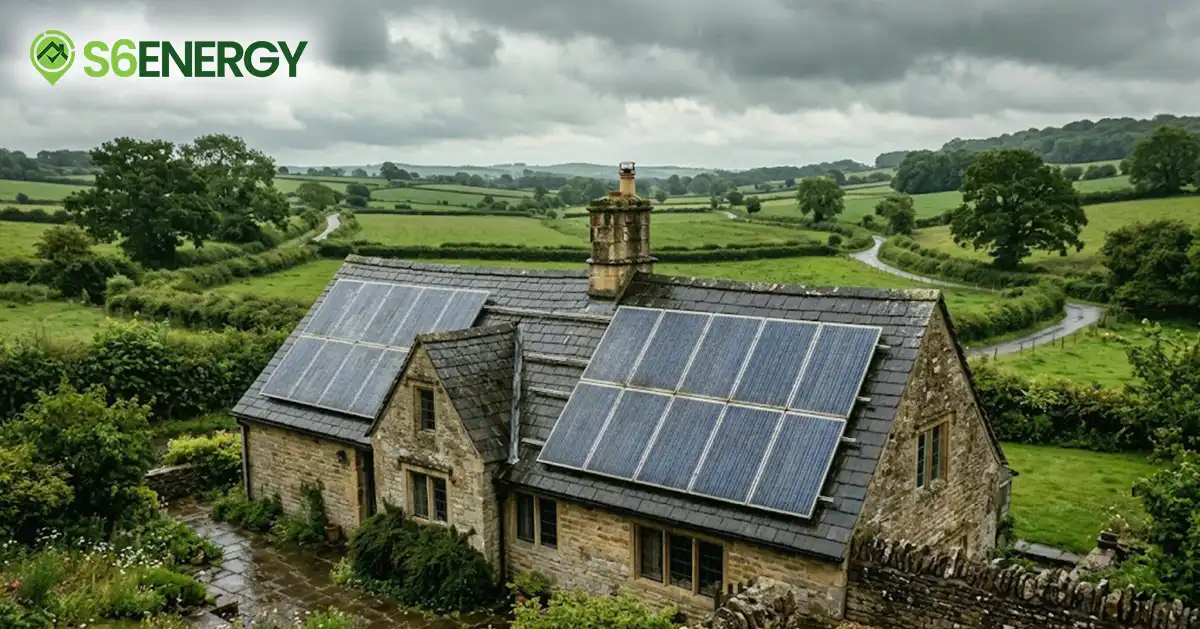
Estimated Cost
| Scenerio | Estimated Cost (Range) |
| Replace like-for-like panels only | £4,000–£6,000 |
| Replace panels + inverter | £6,000–£9,000 |
| Add extra panels instead | £3,000–£5,000 (often cheaper if no removal) |
| Replace during a re-roof | £5,000–£7,000 (potential labour/scaffold savings) |
What happened to all solar panel systems?
Replacing old solar panels doesn’t mean throwing them out in the bin. You can let them go through WEEE Waste Electrical and Electronic Equipment. This is a recycling process, so you have to contact your installer; he can arrange this for you.
Most of the solar panels are recyclable.
- Solar panels have glass on the surface and aluminium, which can be easily recycled. About 95% of panels have a weight which recycled with the latest technology.
- Most panels can be reused when all panels work, but they generate less electricity, so you have to reuse them for a shaded area of your system or a small project. Make sure this is safe; you have to test it before.
- In the UK, a recycling option is available; mostly organisations such as PV Cycle UK collect all solar panels and recycle them, so if you want to do this and installer will also arrange collection and recycling when you want to replace your old solar panel.
Things to ask your installer
Here is a quick checklist which help helps you ask your installer.
- Who will take the solar panel away, a third-party or an installer?
- Is there any authorised treatment or a collection route?
- Is there any requirement for paperwork?
- What kind of confirmation is available for disposal?
Requirement should do before you replace anything.
- Keep your MCS certificate and installation documents, including warranties and FIT or SEG admin.
- Check your inverter model and monitor all data, including errors, dropouts, and weird dips.
- Compare all current and historic generations, such as same season vs same season; do not compare July to January or panic.
- must inspect your roof because it’s the first thing to consider before replacement.
- Check the export limits because upsizing and adding panels or batteries need this to be checked first.
- Keep track of warranties: what is remaining and expired, and what changes can occur when you swap components.
Should you replace your panel?
There are three possible outcomes.
Keep your panel
This is the most common if the spinner’s performance is decent and you want to save your money to fix only damage; then it’s okay to keep it.
Replace or repair
When damage is isolated, with a couple of cracks on the surface of the panel, and one string issue is also resolvable, even a connector fault, this is cheaper to repair.
Replace or upgrade
If there are some major faults and you are doing any work on the roof, sizing for an EV charger or heat pumps or adding a battery, but your current system is not compatible with all the scenarios.
A simple way to check intent
If your plan is providing excellent performance but you want to add more panels or batteries, then you can upgrade your existing panel.
If your system is inherited, try to inspect and diagnose what’s going on, and if there is any requirement in case of a major fault, then you have to replace it.
Conclusion
Replacing an old solar panel is not a necessity. If your solar system is producing electricity that can fulfil your requirement, then you have to fix the damage or problem.
Solar panel replacement is sensible in case of heavy damage, or your system is producing less electricity. If you are doing major roof work, then it’s good to plan to replace according to the roof size and your home need are you want to add your EV charger, heat pumps or a battery it’s may be a better option than replacing the entire system.
Before replacing old solar panels keep check the inverter wiring and roof condition, as well as system performance. Talk to your FIT licensee before doing any replacement or changes:
In the UK, the cost of replacing solar panels can be high, so it’s important to compare the cost of repair and adding panels or replacing the entire system. Solar installers can inspect your system and help you to choose the most effective options.
Read More: Which boilers are compatible with solar panels?
FAQs
When should you replace your solar panel?
You should replace your solar panel if there are cracks or major damage, including regular developer falls, or they generate less electricity.
How long do solar panels last?
In the UK, modern solar panels last around 30 years or more than this but they lost amount of efficiency every year but not stop suddenly.
What is the cost of replacing old solar panels?
Full solar panel system replacement is expensive, and it’s around 5000£ to 10,000£. But the cost also depends on the number of panels and roof access, including scaffolding removal costs.
Can I add more solar panels with my existing solar panels?
Yes, it’s possible to add more solar panels with existing panels. Check the compatibility between solar panels and inverter first, and consider your roof space and DNO export limits.
Will replacing all solar panels affect the feed-in tariff?
If your system has an FIT tariff, then you have to contact the FIT licensee. All the rules depend on the system size and design and what you decide to change.
What happens to old solar panels after replacement?
Solar panels cannot normally be thrown away or put in the bin. You have to contact WEEE, which is electronic waste recycling, and for this your insurer will help you.
Related Post