Blogs
Microinverters Pros and Cons: Detailed Analysis 2026
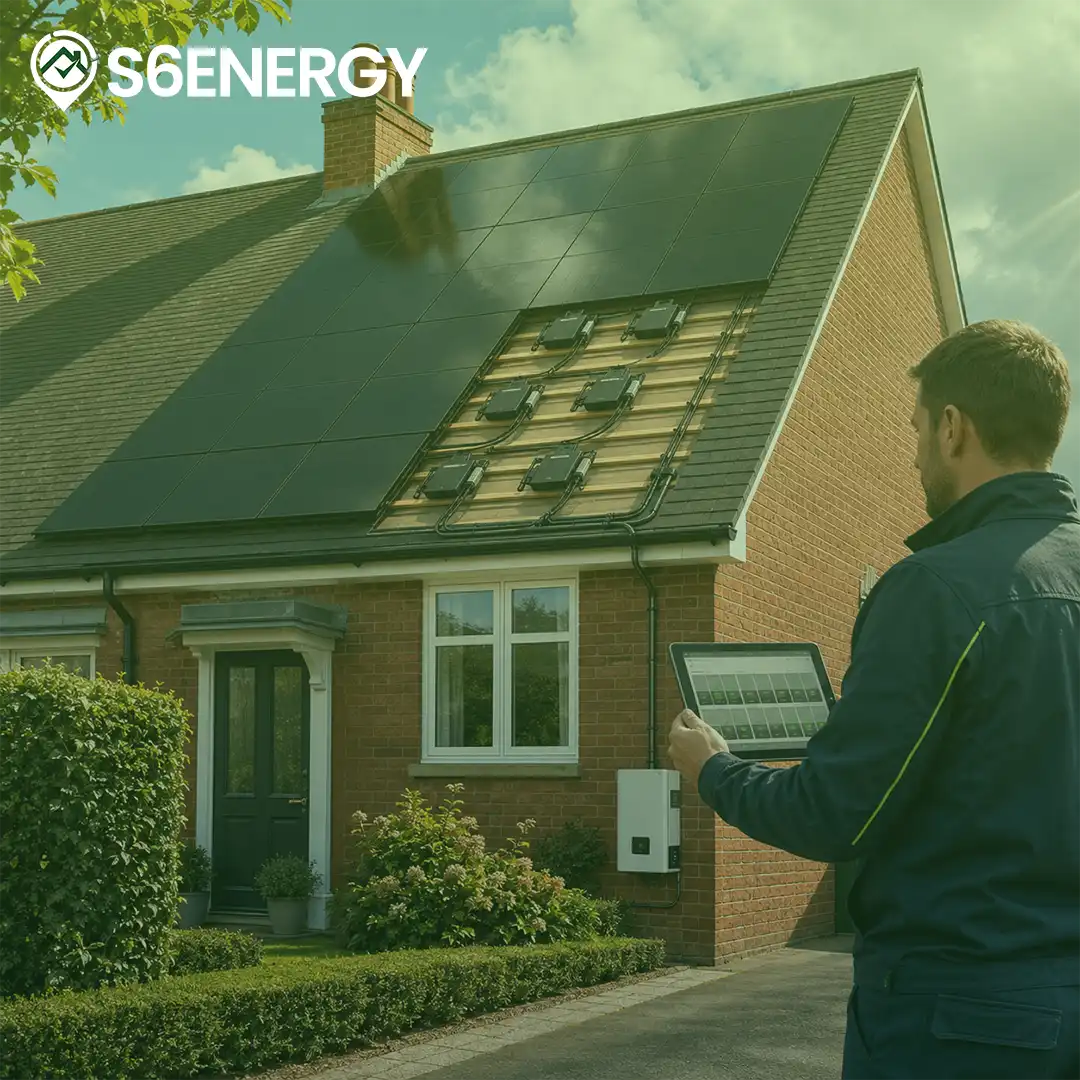
Microinverters are very helpful for solar panels, and you have to install these inverters as a component.
Microinverters pros and cons show how inverters are essential for tracking and monitoring electricity use and converting DC into AC, which is very helpful for your appliances and circuits.
Microinverters are a great innovation and have different benefits compared to traditional string inverters.
Getting microinverters pros and cons information is very useful even if your rooftop panels are not south-facing.
What are microinverters?
Microinverters are very sophisticated device which can be easily attached to a solar panel.
Micro inverters can easily convert solar panel-generated current into AC electricity, which allows your appliances to work, and these are important components that are designed for your solar installation.
How do micro inverters work?
Micro water is an intelligent device which is integrated to connect with solar panels and convert current to home use immediately, and they can also store battery for use and export electricity to the grid.
Inverters can monitor your electricity and highlight quick choices to make for safety measures.
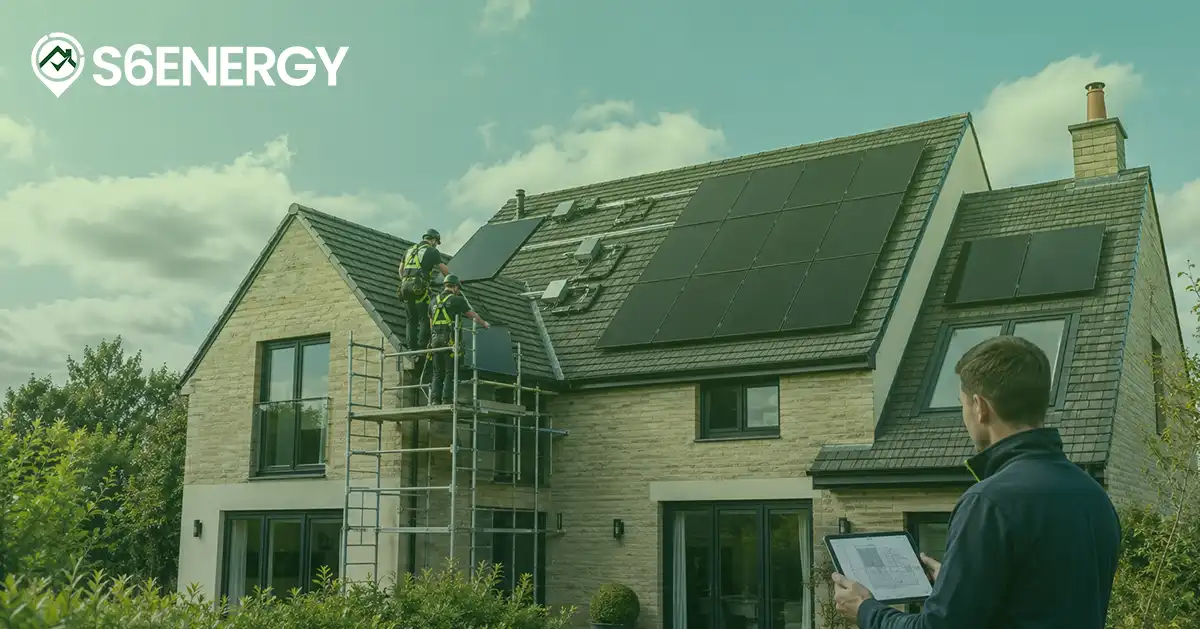
Micro inverters are attached to the solar panels and allow independent conversion for each solar panel for better performance.
Microinverters pros and cons
There are several microinverters pros and cons which are worth considering before having one.
Pros
More electricity can be produced
Microinverters connect to each solar panel to generate more potential electricity, unlike additional string inverters.
As each microinverter has its own circuits, to work with better for performance. String inverters have a big setup to operate a group of panels, but it influence negativity with each other. Such as if you have a panel and one of them drops output, then the panel string circuit will also reduce the power of the solar panel and their output.
Isolate faulty panels
If there is a fault in your microinverter, then it can drop the performance or maybe fail, but you can isolate it and produce electricity as normal.
This cannot happen with a traditional string inverter because faulty string inverters can damage your solar panels completely.
Optimise performance for solar panel
The ability of micro inverters is that they can optimise your solar panels’ ability to generate more energy. In a string inverter, it’s common to connect all the panels to each other, but unlike the string one, these panels can perform very well, and each panel can operate independently. That is why these inverters can enhance energy generation multiple times.
Increase safety
Micro inverters work with safety measures accordingly because they prioritise safety first.
These can convert DC into AC directly because they can manage voltage according to the building’s needs. Each micro inverter features the functionality of rapid shutdown in case of any emergency for protection and safety.
Perfect for cloudy places
In the UK, micro inverters can still be essential for all types of solar systems. Mostly, the weather remains cloudy in the UK, but the micro inverters can still work to generate electricity in low light. String inverters require 200 V for energy generation, but micro inverters only require 22 V, which is more than enough to generate energy even if there is low light.
Longer lifespan
The most noted benefit of micro inverters is their lifespan, which is more than that of string inverters, having multiple warranties that are more than 12 years.
Micro inverters have more than a 25-year warranty, which is offered by the companies, but you can go for a long time if the maintenance level is maintained with perfect care.
Micro inverters are not super reliable, but the technology has advanced significantly, which offers a quarter-century warranty.
Flexible design
Inverters provide superior design with versatility and are ideal for complex roofs. They can work independently and track panels in different directions without affecting the other one.
These inverters are designed to be flexible and independent without limitations.
Scalability and future proofing
Their design is independent and has a streamlined system design, which enables solutions with easy expansion of the solar system.
If you want to add more panels without any changes in the existing setup, then you have to use the same panels which are already installed.
Micro inverters provide the advantage of future-proofing results with fast installation and upgraded potential.
Detailed tracking and diagnostics
Micro inverters provide detailed monitoring because they are capable to track each of the panel performance.
So if there is something that needs to be improved or if energy wastage occurs, then it will diagnose the actual issue and can cause a lower energy bill.
Cons
There is a wide range of microinverter benefits at home, but there are some disadvantages such as:
Equipment failure rates are greater
There is general research that if you are having multiple benefits at the same time with one component, then the chances of failure are greater.
This can happen with your solar panel because, according to the research, it is an issue and depends on the quality of the microinverters as well.
More expensive
Microinverters are expensive because their upfront cost is higher than traditional string inverters. But at the same time, it is a long-term investment. If you are having an inverter twice in your lifetime, then the cost may be similar to microinverters.
Complex in maintenance
Micro inverters are a bit complex to maintain. They are directly mounted on roofs, and access can be harder to repair or replace, but if the inverters are on ground level as string inverters, then it is very quick to maintain, and accessibility is also possible with complete safety equipment, and it can also save time.
Sizing considerations
If micro inverters are attached to solar panels, then the size can be considered because each panel is appropriately sized up, so it’s difficult to handle the maximum potential of output.
When is the right time to use micro inverters?
If you have a microinverter but it is not yet installed with your solar panel, then it’s the right time to install it immediately. It can be very helpful to monitor all the panel production and usage of electricity at your home, especially for household appliances.
So there is no specific time to use it; it’s always a great option to use with a solar panel.
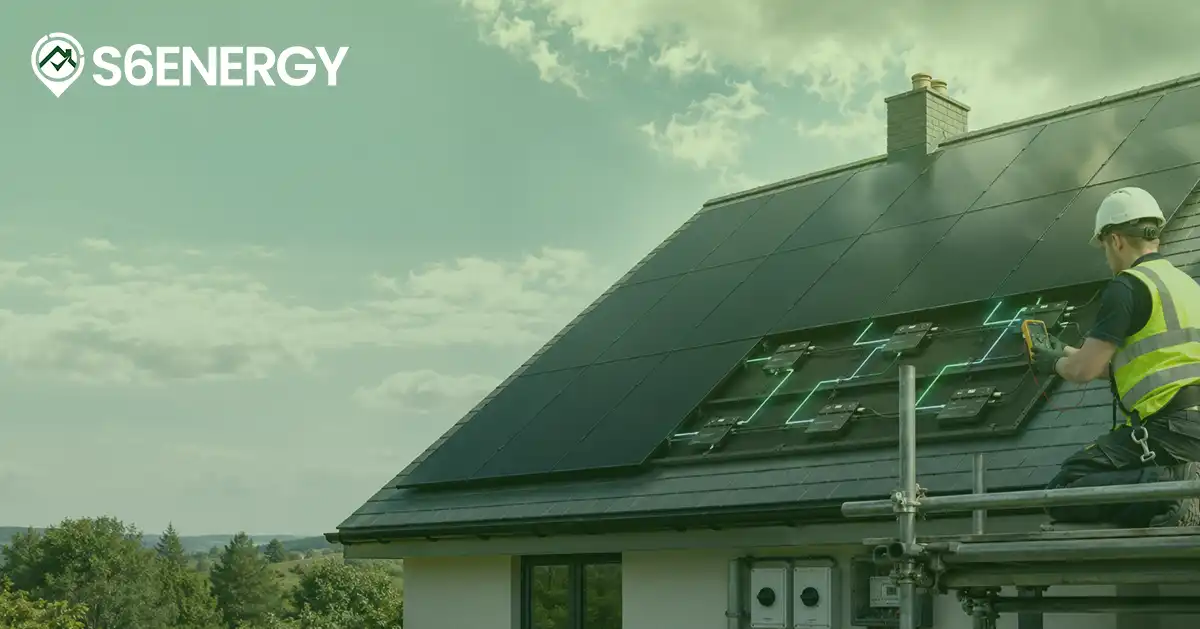
Installation and maintenance of micro inverters
If you want to install solar panels or micro inverters, then it’s not possible to install by DIY. The risk of falling off your roof and their high-voltage are also risky.
Setting up based solar array
Micro inverters are used and installed with some complexity, but micro inverters are very helpful for all kinds of solar panels.
Micro inverters are required according to the solar panels; each section which is installed needs a connection, and according to the brackets and trails, an inverter is an initial requirement.
If there are string inverters, then a single string inverter is enough to attach to the solar panel, but if you are connecting with micro inverters, then transferring converted energy for appliances is very helpful for domestic use.
How can you maintain micro inverters?
There are different ways with which you can maintain micro inverters.
If a smart solar system is installed on your rooftop, then it’s good to monitor the performance, and how it can suddenly drop in performance also needs monitoring.
If the panel is suffering from a drop in performance, then the micro inverter may have any faults, so you have to repair or replace it with the help of MCS certified install installer.
Do a visual inspection and use a ladder in a safe position. Inspect your solar panels or micro inverters; do not compromise safety.
Use safety equipment to perform the inspection or hire a professional.
If there is no harsh weather or storm, then it’s important to inspect first and then call an installer to inspect properly, and he will recommend you with best choices to replace.
Are micro inverters right for you?
According to the benefits of micro inverters, it is an ideal thing to use for domestic solar panel installation. These are the most recommended for all kinds of locations in the UK. Their performance and output are beyond expectations. The use of solar micro inverters UK worth to install.
If you are living in a location that has shading or there is no proper south-facing roof, micro inverters are still very useful in that they maximise your electricity production even if there is low light or it’s cloudy.
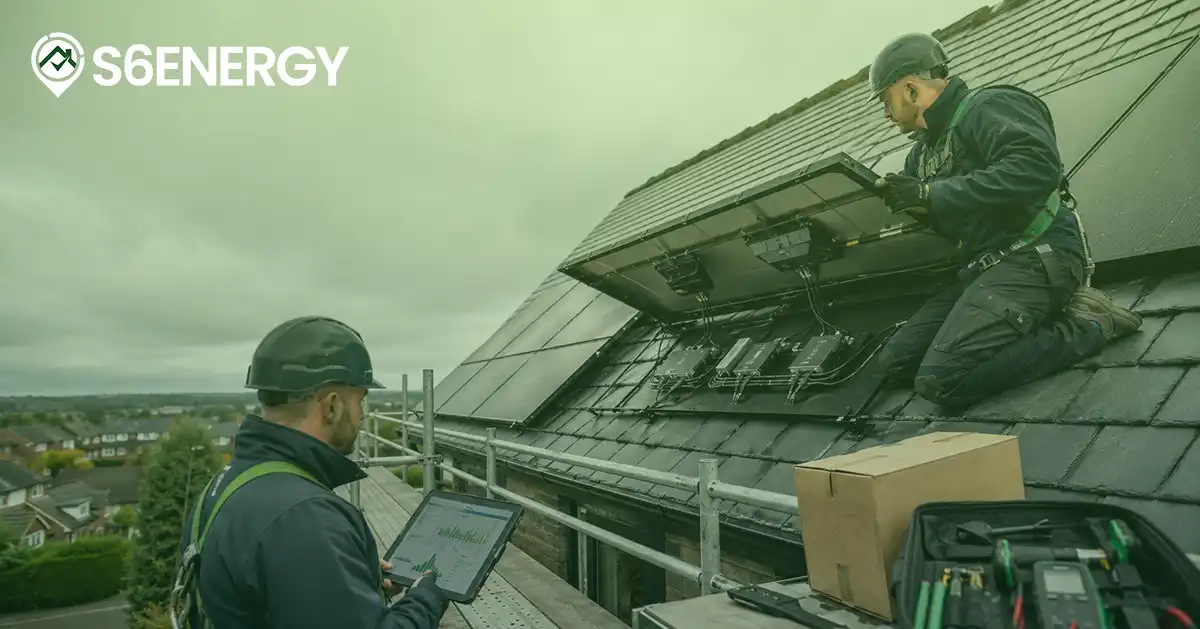
Conclusion: Microinverters pros and cons
Microinverters pros and cons are most important before you make any decision.
If you are considering buying, then you need to know more. Installing solar panels is easy on the rooftop, but if you want to install inverters, this is the best decision because they can convert electricity into AC, and this conversion is very helpful for household appliances.
The inverters also track and monitor the use of electricity and how much electricity is generated by the panels; they can also monitor the exported energy and track it to the grid.
The reliability of the monitoring system has a good impact.
Micro inverters are the safer technology because they can monitor all usage and have the potential to automatically shut down the solar panels during a power cut, which is very important for safety measures.
Read More: Do solar panels work in a power cut?
FAQs: Microinverters pros and cons
When do micro inverters make sense?
Micro inverters are perfect for situations such as
- shaded roofs
- Future expansion plans
- Premium performance consideration and requirements
- Complex roof layouts
Do micro inverters monitor solar panels?
Micro inverters monitor solar panel production and track the exported energy to the grid. These inverters are very helpful for safety may because when it’s needed they automatically shut down the solar panels if they detect any issues.
How efficient are micro inverters?
Micro inverters are more beneficial than traditional inverters. They provide 98% efficiency and convert DC into AC electricity, which improves system performance and works independently.
How is a solar panel with a micro inverter worth it?
A solar panel with a micro inverter is an excellent combo. A small inverter attach with each panel and converts electricity. They allow solar panels to work independently, helping with energy optimisation and production.
Related Post