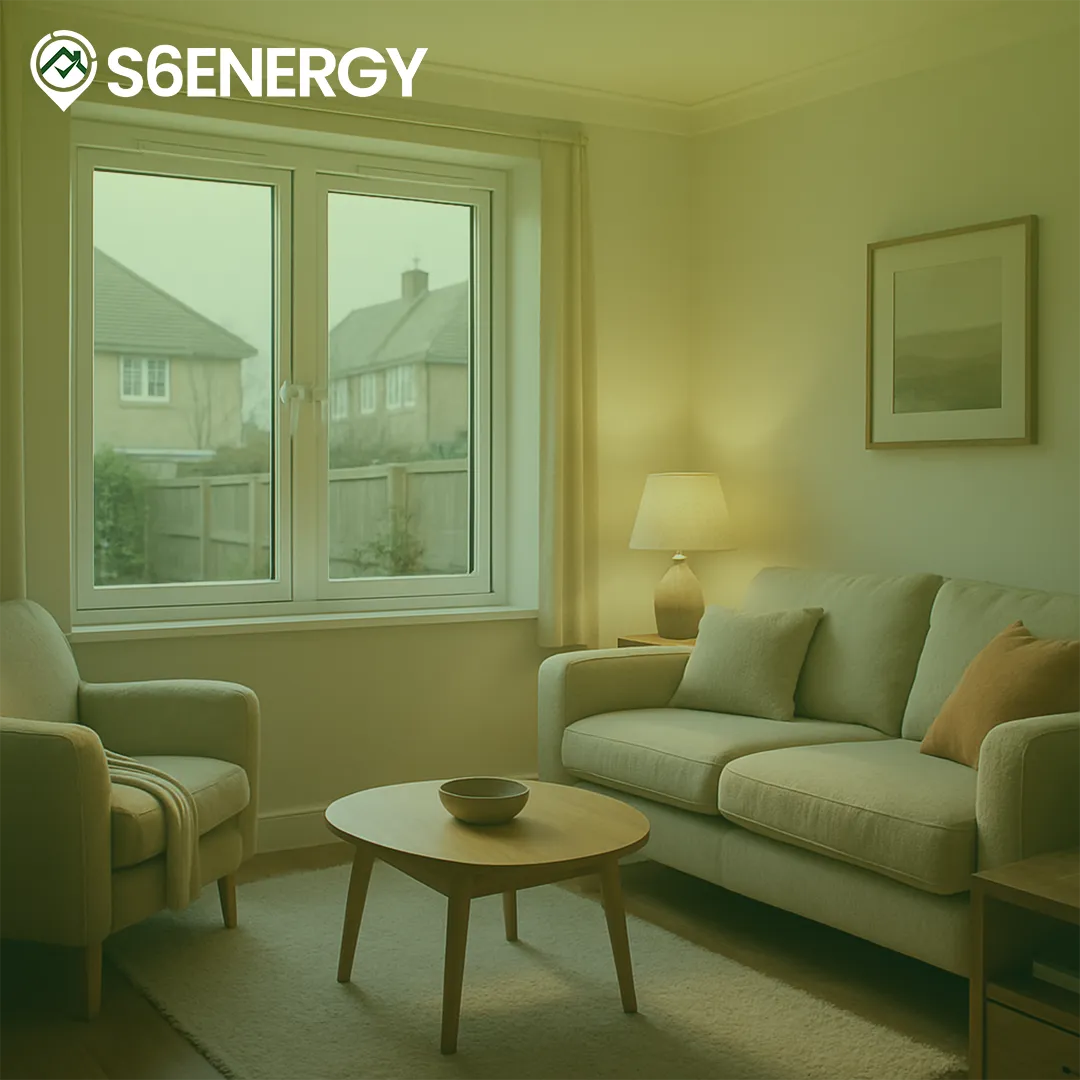
Thermal comfort is essential for every building to make it cosy and warm. A good thermal-comfort system makes you feel good and comfortable, whether it’s hot or cold outside. You can see how important to be taken for sustainability and energy saving, or also effective for reducing footprints. It can easily control building management systems for different temperature variations and prevent humidity problems, along with altering air quality.
What is thermal comfort?
This concept varies from person to person. You can feel the comfort and cosy environment with multiple factors. You can maintain the temperature in winter and in summer for a healthy environment.
Provide a building with a range of environmental conditions. Different temperature levels can perform manual tasks for proper environmental change. Moreover, it is not protective equipment. It is a condition of mind that expresses satisfaction with the thermal environment.
Improve indoor thermal comfort and energy efficiency with a professional Retrofit Assessment by S6Energy.

Thermal Comfort in Buildings
Why is thermal comfort important?
Most of the people are not feeling comfortable with weather conditions like hot and cold, but this thermal performance can change the perceptions to face wheather conditions in a comfortable thermal environment. Moreover, most of the people want to seek tactics to avoid cold environments. But this thermal-comfort is a protective equipment to work effectively even in high-risk environmental meet make sure to know the reasons why things behave unnaturally in different weather conditions to understand them and prevent building errors.
Thermal-comfort is a necessary thing for buildings to make an indoor comfortable environment and also improves the occupants’ comfort. Therefore, it is well-being and important to consider the different purposes.
Sustainability
Thermal-comfort and humidity problems are preventable, and temperature variation also causes building damage and alter they air quality as much as it can be.
Energy savings
As thermal-comfort is affective management system which can reduce heat loss and control their energy bills as well.
Reducing footprints
The more energy consumptions cause of more energy, but you can reduce the footprints with their server comfort and energy transition with optimise solution.
What are the six factors of thermal-comfort?
Whenever the temperature is not behaving accurately, the indicators indicate the discomfort of the workplace or building, and also locate high stress in the environment. So it is important to know about some personal and environmental factors to be sure of comfort in one’s surroundings.
There are multiple factors which can help you make your temperature and environment comfortable.
Air temperature
The temperatures are most used in Celsius. Most of the time, thermometers are used to measure it. Thermal-comfort measurements require some indications to be measured. In workplaces, there is no limit to the maximum temperature. E.g: Most of the packages required a hot temperature for baking.
Radiant temperature
With the help of thermal radiators its possible to radiate heat on the objects.Possible with radiant temperature and more than air temperature because it is also dependent on which is the work type and what temperature it require for. There are some sources of radiant heat
- Sun
- electric fires,
- oven
- drye,r
- cooker,
- hot
- Material,
- metal, and glass
Air speed and movements
If the workspace is having hot and cold environment, then air speeds count because when it crosses the workers, it makes them feel cool, for example.
These air movements and sounds are the actual factors of thermal-comfort, such as
To make the indoor environment hot, artificial heating is used, making it feel stuffy. This is the reason why people feel air movement and speed.
People can also feel the high speed of air movement, which helps them work in an artificial environment.
Most of the time, when air moves according to the environment, whether it is cold or hot, it is received as a heat loss.
Humidity
For Indoor environments, humidity may vary accordingly. If there is a drying process room, then humidity may be affected differently, as in paper mills and laundries.
When the humidity level increase the air evaporation process will be faster, and a warm environment will be created with exhausted surroundings.
If the area workers are wearing the protective equipments than it can cause effective humidity.
Clothing insulation
If the place is well insulated and has a good effect of clothing than comfortable workplace is possible to come in shape. If the workers are using protective equipment which are non breakable and impermeable, such as protective suits and other chemical protective equipment. Because of no sweat evaporation, humidity increases.
Using too much cloth or any protection can cause heat stress in the environment. In the workplace, try to create a friendly environment to know about workers’ needs, such as removing layers, letting them, and controlling thermal-comfort. Must try to identify why workers feel uncomfortable and what makes them feel comfortable.
work rate and metabolic heat system
This has a good impact on thermal-comfort because more activities increase body temperature. If you are working with many workers, then be sure to know the physical characteristics of the surrounding workers and not the thermal-comfort they require.
These factors are counted, such as size, weight, age, and fitness, and what they are feeling, and how they can feel comfort, which kind of temperature they require after sometime and they must try to know about the humidity rate in the air movement as well.
How to measure thermal comfort
This is a common way to measure the real comfort level in wealthy places.
Keep a check on your workers about the safety representative, whether they are satisfied with the thermal environment or not.
Try to make a checklist to identify thermal discomfort or comfort level in the environment.
If your basic checklist is complete, then keep assessing your thermal_comfort level and avoid risk.
Assess thermal-comfort level.
If you identify thermal_comfort problems, you can take services and follow the guidelines on the website to improve thermal comfort in your workplace environment.
British standards are the best to refer to for measuring thermal-comfort.
Identify any thermal-comfort problems at your workplace, and then start this assessment process as soon as you can.
6 basic factors are most effective for thermal-comfort. If you identify any problems and need to know which factor can be effective for your workplace, then for your workers

Measure thermal comfort
What if you identify a heat stress problem at your place?
If you face heat in your workplace, then you must check on workers if they are having heat stress and suffering format then be sure to provide them a stress-free environment. If you already know some of them are suffering from heat-related illness, for example
Check the patterns, illness type, and how frequently the worker faces it and complain it.
Must check on which kind of work type people are doing, where they work, and what kind of experience they already have to prevent illness.
Check RIDDOR reports and internal entries reports to make your about health of workers.
Observe your workplace and try to identify a heat stress checklist, which will help you to assess the risk efficiently and effectively.
Measure heat stress
For measuring heat stress, it’s a complicated procedure which required professionals to measure it in your workplace.
- Measure work heart rate
- Check clothing insulation value
- Consider psychological treatment as well, according to ISO 9886
- For measuring heat stress in an individual worker, assessment should be carried out in accordance with ISO 7243, which uses the Wet Bulb Globe Temperature (WBGT) index. This method evaluates heat stress by considering air temperature, radiant heat, humidity, and air movement.
Personal Factors
Controlling thermal-comfort
It is an easy way to adjust and control thermal-comfort with different measures.
- You can monitor the environment and control it automatically by controlling the system, for example, heating, cooling, and shading.
- Adapting or replacing clothing also allows people to reduce the number of clothing layers according to the situation. If there is a harsh temperature in the room.
- Flexible working hours are good to be fixed and managed well
- Allow equipment to prevent heat stress environment, such as desk fans
- Personal protective equipment should be provided by companies
What regulations should be followed for a place for thermal-comfort?
- It’s compulsory to rule the timetable and some regulations for health, safety, and welfare according to the 1992 regulations.
- The Health and Safety Executive provides the comfort regulations for workers to be safe and healthy. Also, they refer to a temperature limit of 13 °C as the minimum for work involving physical effort and 16 °C for sedentary or office-based work, while no maximum temperature limit is specified.
- However, if there is no comfort for employees, then temperature levels are not worthwhile.
How to control workplace temperature to make it comfortable?
There are different ways which can help you make temperatures comfortable for workers at workplace.
Control the environment
- Control humidity levels
- Ventilation and air conditioning are also important factors to be built into the area.
- Measure to ensure the insulation is fitted correctly and baffle-free
- Separate the sources of warm and cold surroundings
- If you are using any kind of source to make the place cold, then be sure to fix a shield or barrier between the work area and the resource.
Control the task
- Fix the working hours and check the environmental temperature.
- Controlling the work and how much they can individually perform is also meaningful.
- Mechanical AIDS also bae introduced like as lifting and power tools
Adapt the behaviour
- If it is possible to remove extra restrictions and give freedom for minor adjustments
- Provide them with an area for warm-up and cool-down.
- Let them allow to open for ventilations and it’s just the summer stress according to their environment’s needs.
Monitor the employees
- Hire a supervisor to train the.m
- Some health professionals are required for workers specially for illness and
- disabilities
- Must conduct risk assessment to prevent workers, especially pregnant women, and spot them
Administrative control
- Provide your workers with flexible hours to work effectively.
- Try to schedule warm environment work during cool times.
- Provide emergency AIDS and respond to them when they need
Conclusion
Thermal comfort is significantly important to avoid being either too hot or too cold. There are some factors such as temperature, humidity, air flow, and insulations and all of these are according to the characteristics of workers.
For improving this comfort, not only is tenability and energy efficiency important, but also the overall design of thermal-comfort is dependent on how you feel and what kind of appropriate insulation is required and already included in your building and management system. If you are already using sensors and other controls, then it is possible to optimise the indoor environment with comfort and money savings.
With the help of basic factors its possible to control all the indicated problems, and thermal-comfort can also be managed appropriately and effectively for the workers and the company.
Thermal comfort S6energy
FAQs
What is thermal comfort?
This is a condition in which the person feels comfortable, whether it is hot weather or cold. All the factors together make the environmental temperature, humidity, movement and all kinds of physical activities.
What temperature is ideal for thermal comfort?
It must be between 20 °C and 24C but also dependent on climate and season requirements.
Does humidity affect thermal comfort?
If the humidity is high, then it feels warmer and not possible to evaporate from the skin. Moreover, low humid environment causes discomfort and dryness. Indoor humidity level should be 60% in maximum and 30% in minimum.
Are smart technologies helpful for thermal comfort?
Yes, smart technologies such as smart thermostat automated HVAC systems, and temperature sensors that measure all comfort conditions and maintain comfort in energy-saving mode.
How to improve thermal-comfort in a building?
With proper insulation
Prevent heat loss and heat gain
Use of smart thermostats and sensors
Design buildings with natural ventilation
Why is thermal-comfort considered important?
Because it affects human health and concentration. Every thermal comfort is not accurate, and maintaining it can be a cause of this comfort and a cause of less productivity.
Table of content
- What is thermal comfort?
- Why is thermal comfort important?
- What are the six factors of thermal-comfort?
- How to measure thermal comfort
- What if you identify a heat stress problem at your place?
- Personal Factors
- What regulations should be followed for a place for thermal-comfort?
- How to control workplace temperature to make it comfortable?
- Conclusion
- FAQs