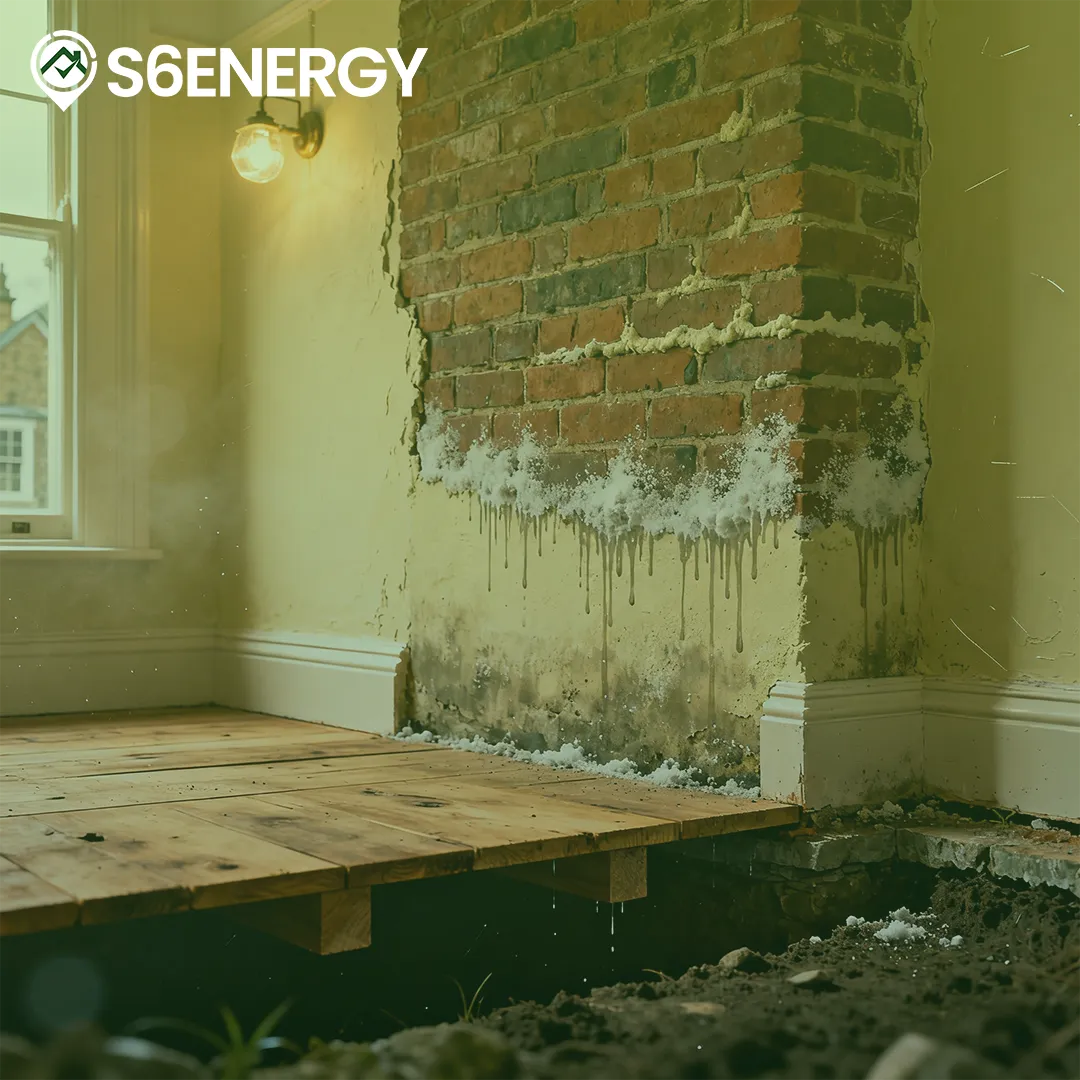
Rising damp is a serious problem that drives a home’s value and also causes serious health conditions. Rising damp is an issue which probably found in old homes. It can cause big trouble on different levels, so it is good to treat it as soon as you can.
There are various ways to manage dampness in your home. For all buildings, the most advisable thing is to treat them with preservation techniques. Adopt the approaches which can protect your home with professional services.
What is rising damp?
These rising dampnesses are actually moisture that rises and shows in the different areas of homes. Rising damp is most commonly found in older properties built before modern damp-proof regulations, while modern buildings are largely protected by effective damp-proof courses. It appears on walls as a stain, damage, or cavity, which causes condensation.
Outside walls are also affected through this, so if they rise, you have to go with 1.5 m on your wall to check out the signs. If it appears to clarify dampness, having cavities and stains on walls is a sign of damp rising around the house.
What is the cause of rising damp in homes and old buildings?
This occurs in many buildings because of rising moisture and slowly creeps up the entire wall. Most of the buildings are damp-proof because of DPC installation placements. This installment causes prevention from water, and the material is completely waterproof, which stops moisture to creep the home, walls, and roof.
Most of the time DPC are not installed. Many older UK homes were constructed before damp-proof courses became compulsory, allowing moisture to rise through walls. There are several ways to treat rising damp in an old house.
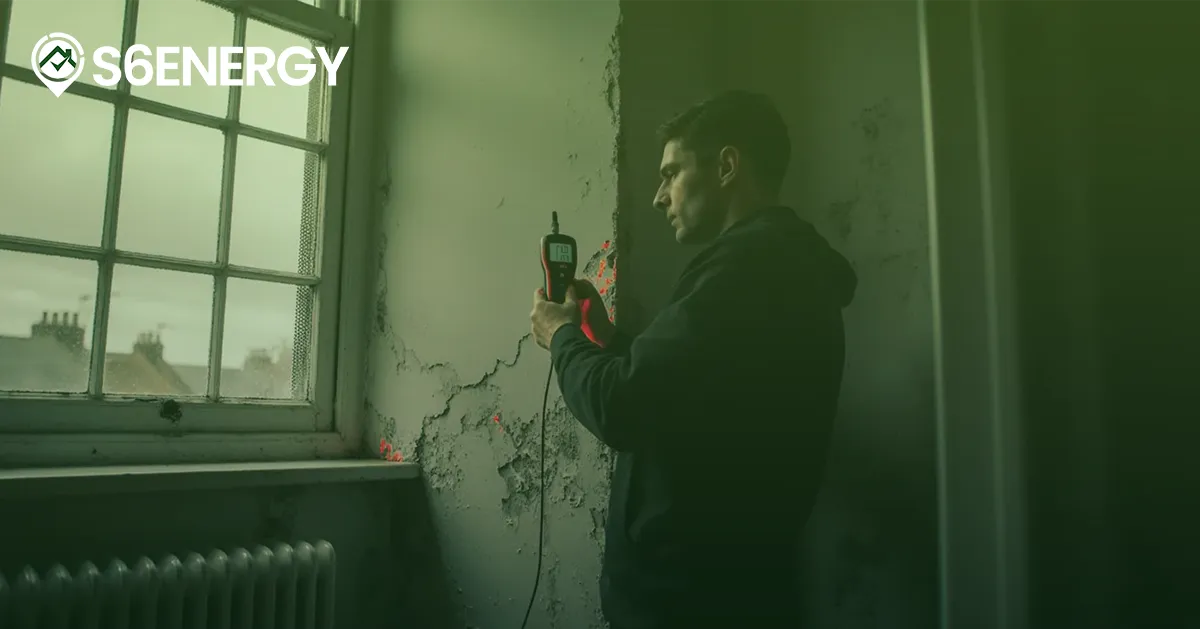
How to treat rising damp in an old UK house
Which Signs shows rising damp in homes?
Damp can affect different areas of your home, whether it is old or new. Just have to keep focus on the signs to protect your home with simple and easy solutions.
- Cavity walls and patchy walls cause damp
- Musty smells around the home
- Disclosures of plaster and walls
- Rotting floor board and skirting
- Crumbling brickwork and plaster walls
- Marks on walls
Most of the homes look patchy from the outside and are crumbling. Signs appear on the outer layers so the homeowner can easily recognise them. With assessments, owners can detect the actual problem, which is the source of rising dampness.
If these kinds of problems and issues are detected in time, then they can be repaired with simple remedies.
How to treat rising dampness in old homes?
DPC is a simple way to prevent homes from dampness. As a result, this DPC procedure is good and also depends on the building’s age. For buildings, this process is easier and common materials with suitable things available to treat the dampness.
Injections damp-proof course
In this process, Chemical damp-proof courses are installed by injecting a water-repellent solution into the mortar joints, where it forms a barrier against rising moisture. Which transformer barriers stop the water to make a way into the walls and around the home?
Chemical injections
These injections have chemicals which are easily tied into the walls to form a barrier which has to stop moisture from growing up. Treatment with DIY solutions is helpful for treating it. However, all of the procedure depends on what kind of experience you already have.
External walls
If there are multiple cracks on the walls on the outer home side. Seal the cracks and do proper plastering on external walls to avoid water from entering inside.
Waterproof membrane
The drain is installed to help as a water barrier, and eventually, with nature, the moisture will not pass through the floor and pipes into the walls and roof.
Electro osmosis
Electro-osmotic systems use metal electrodes and a low-voltage electrical current to reverse the direction of moisture movement, preventing water from rising through walls. With it, owners can feel free and fearless of returning damp.
Sump pump
This is used to pull extra water from the home underneath and the walls to make a cavity-free and moisture-free home.
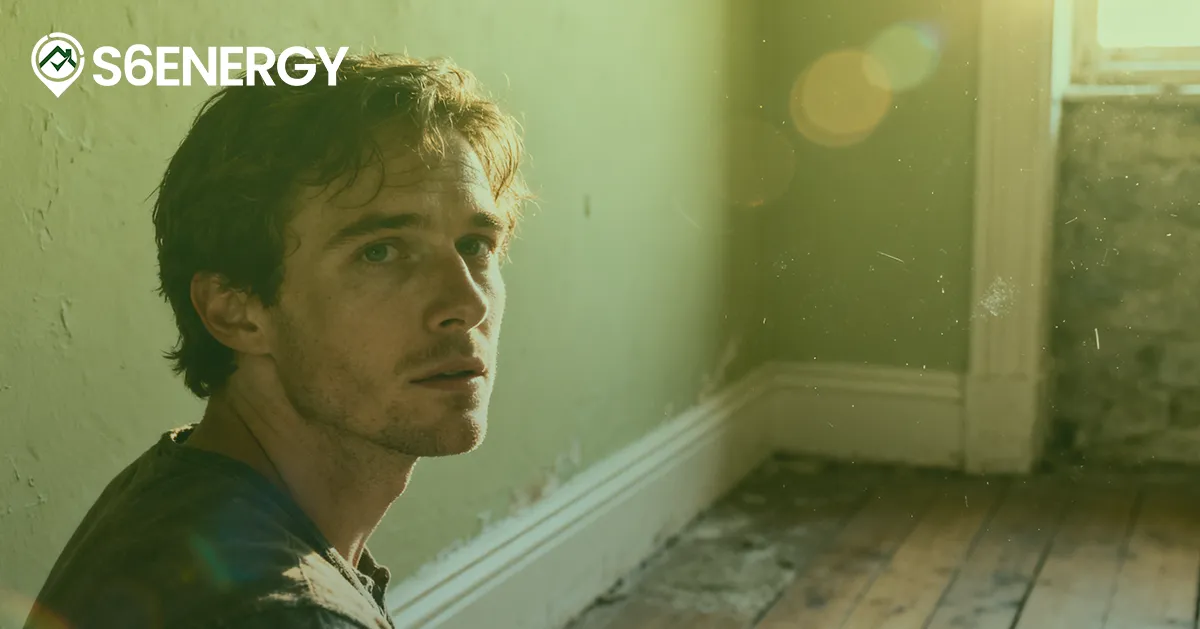
Rising damp in an old house
What is the cost to treat rising damp in an old house?
Generously treating with dampness in old homes is completely dependent on the method used for the solution. Different methods are used to treat dampness. You can get services and professional treatments for good results. But all of these considered expensive methods and treatments vary by location as well. The cost of treating rising damp typically ranges from £500 to £2,500 for chemical DPC installation, while extensive structural repairs can exceed £10,000 in severe cases.
How is it possible to prevent the rising damp from returning home?
If you are passing through the treatments, then it’s also important to be aware of their return. Professionals used precautions, and it’s important for the future too.
Ventilation improvement
Make sure to make a home with complete air circulation and moisture control. So this can reduce damp return, and this is the affected solution as well.
Water diversion
Make sure to improve gutter pipes and drainage to avoid water leakage in the home foundation.
Seal cracks
Seal the wall cracks properly and assess the home’s basement as well to avoid damp and for better results.
Conclusion
Here in this article, you can learn how to treat rising damp in an old house. There are multiple reasons, including poor ventilation and insulation, that can cause damage and dampness.
Multiple damp proofing courses DPC are most common to repair by professionals with complete prevention key adoption for improving diverting water and strong foundations. In this course, you can seal the cracks for reducing risk of returning damp and also tackle more problems.
Moreover, homeowners should keep an eye on the signs which highlight the damp problem in different areas and on walls with stains and cavities. Assessments conducted on time, the solutions can be easier and less expensive to repair.
Treat rising damp
Read More: Balancing Ventilation and Heat Retention
Faqs
When there is damp in a house, who to call first?
If there are damp patches around the home. Notice dark mould, Enfield condensation around the corners. Conduct an assessment and contact a qualified surveyor and damp proofing specialist to manage it properly.
You can also contact the structural engineer to repair damaged walls and the foundation.
How to put a DPC course in an old house?
For a damp proof course DPC it depends on the home age. There are different methods to manage damp, such as chemical DPC, electro-osmotic, and physical DPC.
What causes damp in a house?
There are several factors which cause the damp in a house: extra mosture on walls, rainwater enters the walls through the gaps and cracks, and on the roof, faulty gutters.
How to treat the rising damp in an old house?
Assess and address the diagnosis and higher professional server.
Chemical or physical DPC course installation. Repair damage drain around the home. Make sure ground levels are below DPC.
What is the cost to fix the rising damp?
Expense is totally dependent on the building size and how severe the dampness occurs. The DPC course is for hundreds and thousand pounds. Different expenses on repairs and plaster are required.
What helps to prevent them from returning?
Assess your home condition day by day. Maintain drainage and gutters, pipes. Install good ventilation. Repair cracks properly.