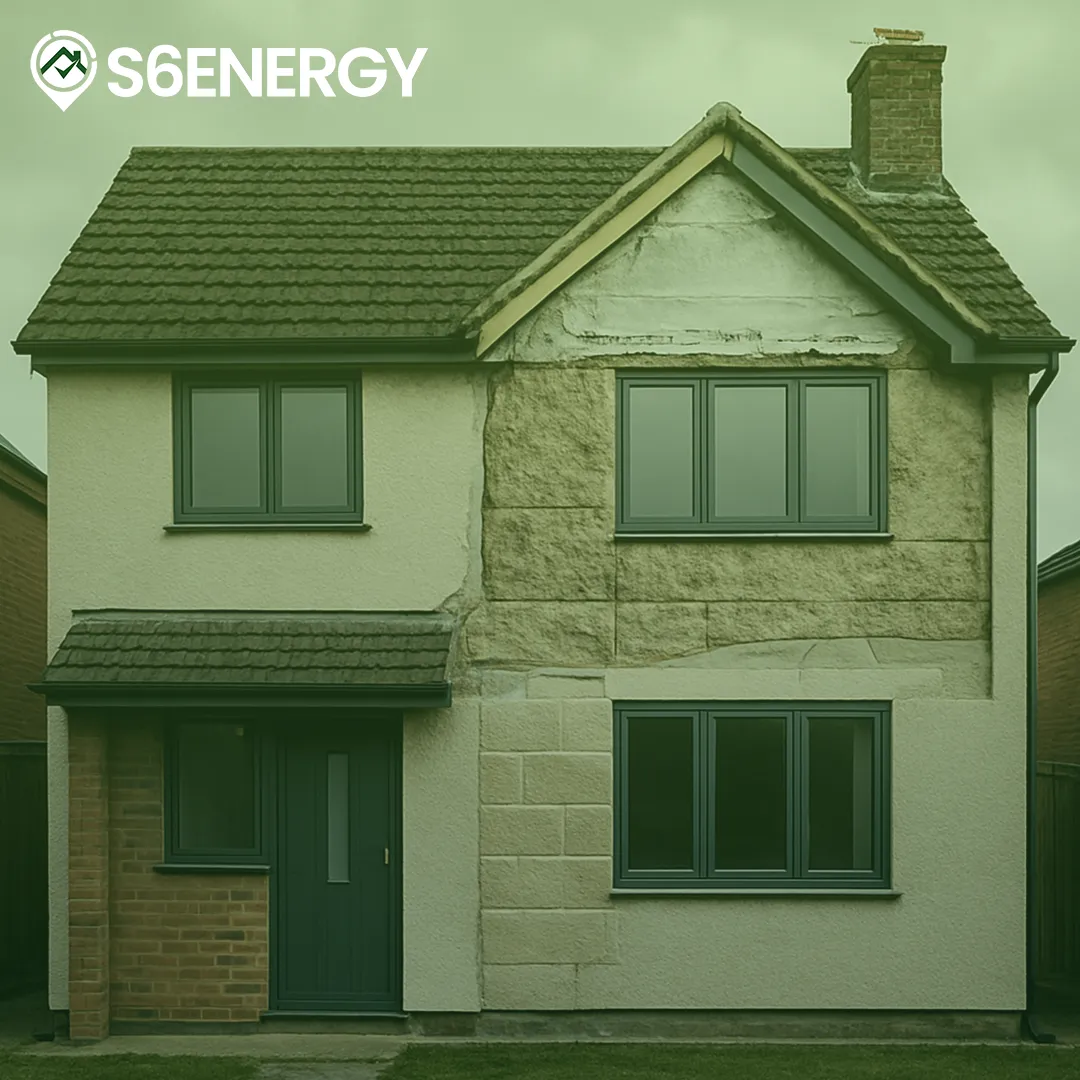
A fabric first retrofit approach means it helps to improve the efficiency and energy performance in walls, floors, and roofs, including reducing low-carbon emissions. For a long period It helps to make the building warmer, safer, and more comfortable with energy efficiency. This approach is focused on improving indoor maintenance and comfort with healthy air quality and ventilation, including moisture control and reducing energy bills.
It is also helpful to reduce carbon emissions. Also, help to identify other options and guide you through the work, including reducing the other consequences and risks. However, if the home is well insulated and air-tight without a ventilation strategy, then it can be a cause of an unhealthy environment. Also leads to condensation, mould, and potential health issues.
What is fabric first retrofit approach?
The fabric-first approach is an approach that focuses on improving the thermal performance of a home or property. Its ambition is to reduce heat loss through quality insulation and good air tightness.
Also improves moisture management and ventilation for well indoor healthy environment.
Best for retrofit solutions and design for long lasting and durability. This is not a limited-term solution, but also the future proofing home with good-quality building fabric. It can extend the life span of a home.
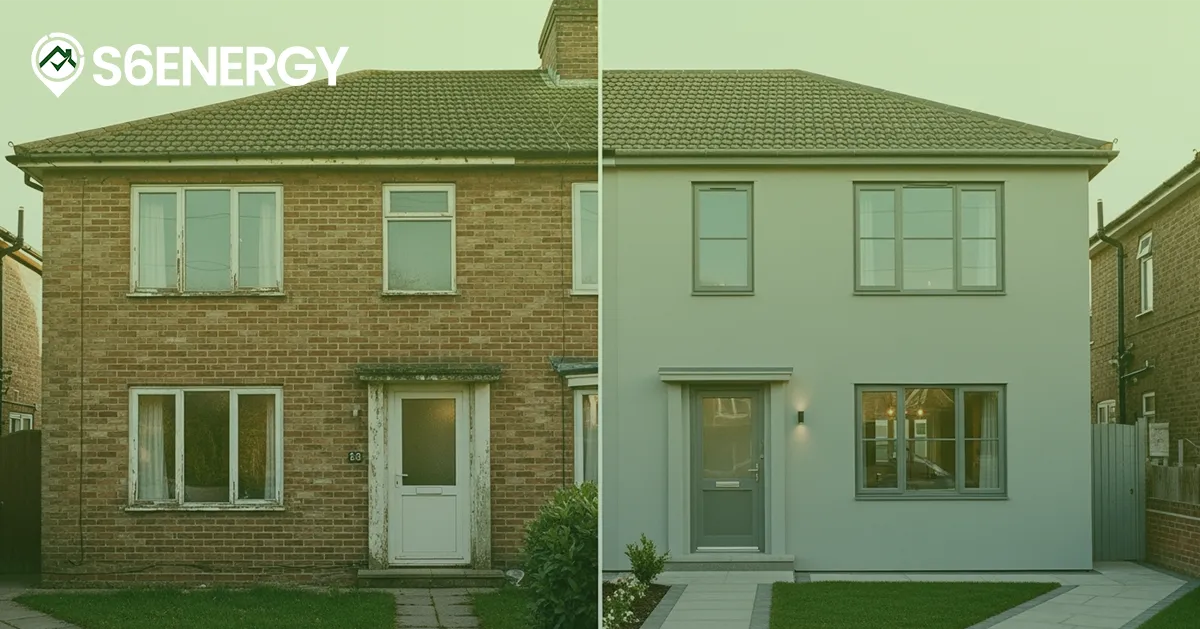
Fabric First retrofit Before and After
Before applying fabric-first measures, a professional home energy and retrofit assessment from S6Energy helps identify heat loss, ventilation needs, and the most effective insulation upgrades for long-term performance.
Why is fabric first approach Important for UK Buildings?
According to the INCA report, this approach shows:
- Many UK homes were built in 1945 with insufficient insulation solutions. And these leading issues, like heat loss. So that houses required to install insulation with good fabric quality.
- Solid wall insulations are very helpful to reduce heat loss and also lowers bills.
- The advantages are various and also improve comfort by reducing noise and long lasting lifespan.
- High-quality installation not only saves energy but also improves indoor comfort.
Fabric first retrofit approaches
Domestic retrofit
- Domestic means your home or a residential property, and it could be a flat or a house where you live.
- Retrofit refers to improving existing home comfort, energy efficiency, and performance.
Why is domestic retrofitting important?
- It has to reduce household bills in our UK homes, and they are very helpful in winter, especially to reduce heat leakage and dampness.
- In summer, it makes your home cool and prevents overheating.
- Although these are very impactful, not only in our environment but also on our finances, because they reduce water and energy bills.
Domestic retrofit tackles
Domestic retrofit tackles climate change and sets your home temperature to heat up in winters and cool down in summers. The use of fossil fuels, gas, and coal is required to manage the temperature and reduce carbon emissions annually in the UK.
The government of Uk also works on the reduction of carbon emissions and hopes to accomplish in future 2035.
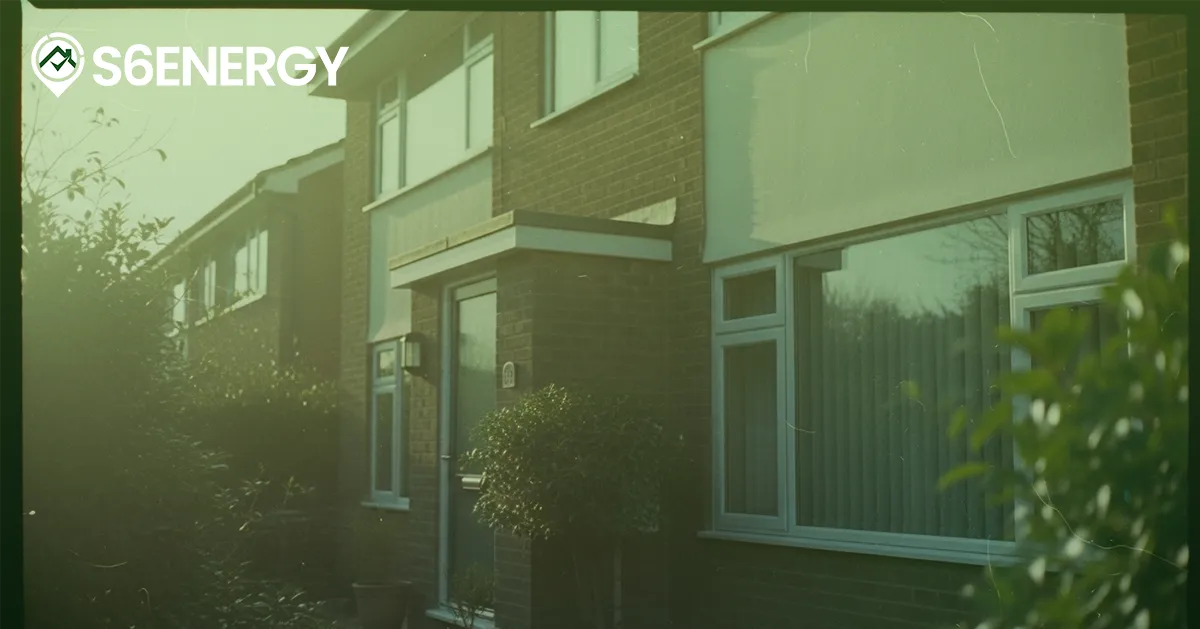
Domestic Fabric First retrofit approach
Prepare your home for fabric first
Remedial work
Before you decide to adopt the fabric-first approach, make sure to identify property defects and properly repair them. This can extend the life of your property, if possible.
Possibilities to do :
- You can replace the roof and repair it as well.
- Downpipe repair and gutter repair can be done.
- Drain installation and remedial damp proofing can also be considered if required.
Principles of Fabric First Retrofit Approach
Key principles of fabric first retrofit approach is priorities improvement of building fabric to make your home comfortable and warm. Therefore, before starting the fabric-first retrofit approach, you have to consider changing the heating and water system.
Fabric first measures can be disruptive and involve cost, and reduce carbon from materials, because it’s also effective. Although you can save more with the life cycle of all these quality measures, rather than system upgradation.
If you prioritise fabric improvement, then it can reduce the heating system costs as well as improve insulation performance for good results. Boilers and radiators will also be required for lower energy running costs.
Insulation
If any existing problem is fixable, the building fabric should also be considered for improvement to reduce heat loss. Moreover, insulation is the best way to do this; it also increases life in comparison to boilers and renewable energy systems.
- Heat loss through the wall, floor, and roof can be reduced and improved with effective insulation.
- Loft and roof insulation can help to reduce heat loss.
- Window frame replacements and glazing are also a good thing to improve insulation.
- Flat roof insulation is a good approach.
- Floor insulation and wall insulation
Air tightness
This step is very crucial for a comfortable and draught-free energy-efficient home, take. When you consider air tightening, it means to repair gaps, cracks, and other unnecessary draughts which cause heat leakage. Furthermore, this can be in roofs, walls, windows, doors, and floors, or other frames. So that inspection is also a necessary thing.
The following things can be helpful.
- Attach draught strips to the loft hatch.
- Refurbish window frames and doors.
- Seal gaps in the floor joists.
- Attach draught excluder and strips where required
- Cover the chimneys
Ventilation
For increasing insulation and a tightening quality, home retrofit work is more preferable and considered to be done. However, healthy air quality makes your home more comfortable and reduces stiffness. It deals with excessive humidity and controls it. Easily can deal with condensation, dampness, and other health problems. Healthy air for breathing is also good for the respiratory system and saves fuel consumption.
follow for the best ventilation:
- Extract ventilation
- Your home can increase ventilation with wall vents
- Can increase ventilation with trickle vents and windows
The services and renewable energy
If your home is well-insulated and has lower fuel bills and other services like heating water and electricity, then this is a healthier and more efficient home. If the heating is reduced rather than building services, then renewable technology is more considerable.
- Solar panels for solar thermals are a good example of renewable measures
- Energy-efficient appliances are also helpful
- Radiators and underfloor heating are efficient
- Hot water cylinder and heat recovery technology are included in the measures
- Air source heat pumps are also included in the measure, as well as ground source heat pumps too
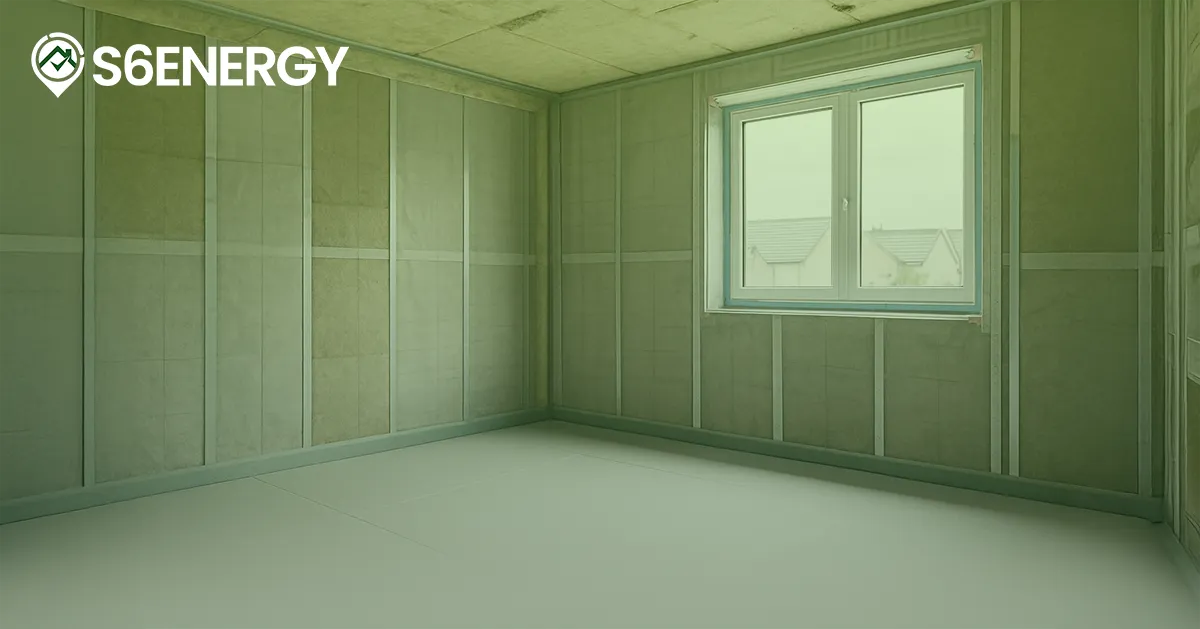
Fabric First approach
Fabric first core Policies and targets
Policies
We are in an era where durability and energy efficiency are more important. We are standing at the point where transformation is required for building a good environment.
Moreover, if domestic retrofit is a part of our life, then it’s time to plan to upgrade the reliability and performance of the home environment comprehensively.
Targets
The government is working on zero carbon for 2050. So that homes in the UK need retrofitted insulation to achieve net zero. For achieving net zero, insulation for every home is important, and insulation installation is cost-effective.
Benefits of Fabric First Retrofit Approach
Fabric first retrofit approach is very beneficial for you and for your home, family, friends, and the community. This approach is very healthy and magical for socialising. Because it can easily generate local employment with multiple skills and help in the workforce. Carbon reduction is also possible with this approach.
Health risk from cold weather also reduces. It also reduces condensation and dampness, including mould. It has to stabilise your energy, which will improve budgeting and finances, reducing mental stress.
Conclusion
Fabric first retrofit approach is helping you to transform the home environment with more energy efficiency. Furthermore, improving the building environments, such as improving installation, airtightness, and reducing heat loss.
You can see improvement in energy bills, and it has the ability to increase home comfort and reduce carbon footprints. This strategy is effective with conventional renovation and setting out the work for technology. This approach is reliable and rprovides long term effectiveness and also offers financial benefits.
Read More: Pas 2035
FAQs
What is fabric first retrofit approach?
This method is used to upgrade existing homes with improvements of building fabric. For instance, walls, roof, floors Windows and doors. Before installing any new system of renewable technology, try to inspect your home and reduce heat loss as well as improve its tightness for energy efficiency.
Is the fabric approach preferable for old UK homes?
Yes, it is suitable for all UK buildings and homes, including the houses that were built in 1945. These buildings are normally constructed without insulation, leading to heat loss. Fabric improvement can improve homes comfort and reliability.
Which building elements improve fabric first retrofit?
Walls, roof, Floor, window glazing, doors. All of these measures are preferable and work together for improvement.
Is it possible to improve indoor air quality with fabric first retrofit?
Yes, because insulation prevents heat loss, and ventilation also maintains healthy air. This approach maintains moisture and helps to avoid condensation. All of these controlling factors make the environment healthier.
How does a fabric retrofit a long-term investment?
Whenever fabric improvements are done, it improves insulation and air tightness, helping to reduce carbon footprints and be more energy efficient.