Draught proofing is one of the most cost-effective ways to heat your home. With this, you can also make your environment comfy and cosy. With this, you can make your home most comfy and cosy. In the following article, you can find out the points where draught proofing is required. It is required throughout the home, including floors, doors, and windows, as well as in chimneys.
According to the UK government, it is important to do clean energy campaigns. And they are following too. Because it also helps to save energy bills and money. However, in modern Windows and doors are attached to the opening’s edge strips and already work as draught-proofing.
Visit S6Energy to discover expert services like retrofit assessment that help reduce heat loss, lower energy bills, and improve home comfort.
What is draught proofing?
Draught proofing helps to keep your home warm and let the cold air out of your home. When you block the gaps in homes from where heat escapes, it is called draught proofing.
Therefore, stopping cold air from entering your home is the actual meaning of Proofing, but if your home already has this, then it is not necessary to add more because it can increase poor air quality, and ventilation will stop entering your home.
What is ventilation?
Whenever the fresh air comes in, it helps to make your home a fresh and healthy breathable environment. Ventilation is an important thing because it removes pollution from indoor air.
It is necessary for the kitchen and bathrooms because overall, the home’s ventilation is compulsory.
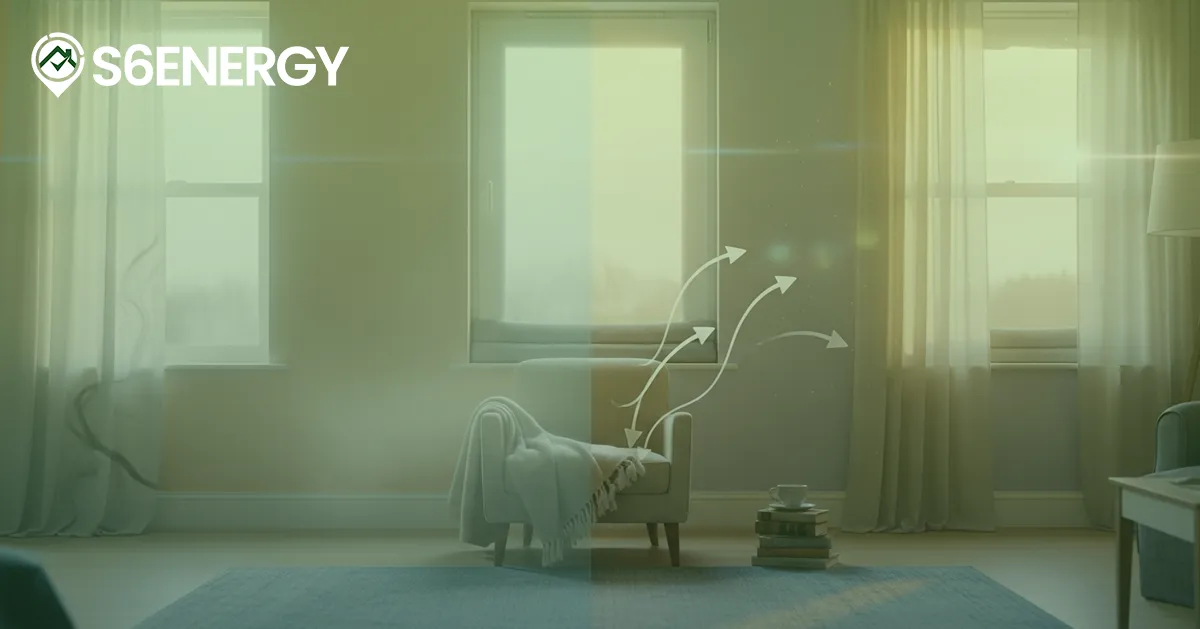
Draught proofing Uk Homes
Do I really need to get professional draught proofing?
Professional draught proofing is always recommended because the installer knows exactly what material can be used and is effective in saving energy.
Professional installers help you to make your older building’s draught proofing with expertise because it always requires extra care and materials that are specific to use for all buildings.
Sometimes, when you lack knowledge of products, you should seek services from experts because they can guide you with the best. You can search for certified experts around you who can help you according to the assurance scheme.
Is it possible to do draught proofing ourselves?
If any of the people know how to do DIY art, then they could do it. However, in many homes, different traditional features are followed with difficult problems, so it’s good to increase and expand to install them for the best protection with experts.
Draught proofing for the windows
For the window draught proofing, it’s important to buy strips for the frame to cover the gaps.
Self-adhesive foam strips
These kinds of strips are easy and budget-friendly to install, but not recommended for long-term use.
Wipers, plastic strips with brushes
These steps are a little costly. Different sizes of strips are used to cover the gaps in windows. If the stripes are not well-sized, then it’s not possible to cover gaps. So it’s important to choose the right size of strip or wiper brush strip.
Draught proofing for a door
There are some areas that must be draught-proof.Such as
- Keyholes are the main thing that have to be covered with a metal disc around them.
- The second one is the letter box, which is the first measured and covered with a flap or brush.
- Bottom gap is also a must-cover thing; it can cause escaping hot air from inside the house, so cover it with a brush strip or a wiper one. Hinged flap draught is also worthwhile.
- Windows are also necessary to cover with wiper strips or with a brush.
Must remember: Room doors or internal doors should be gapped from the bottom. Because ventilation throughout the home is necessary, also, do not cover the bathroom doors and kitchens.
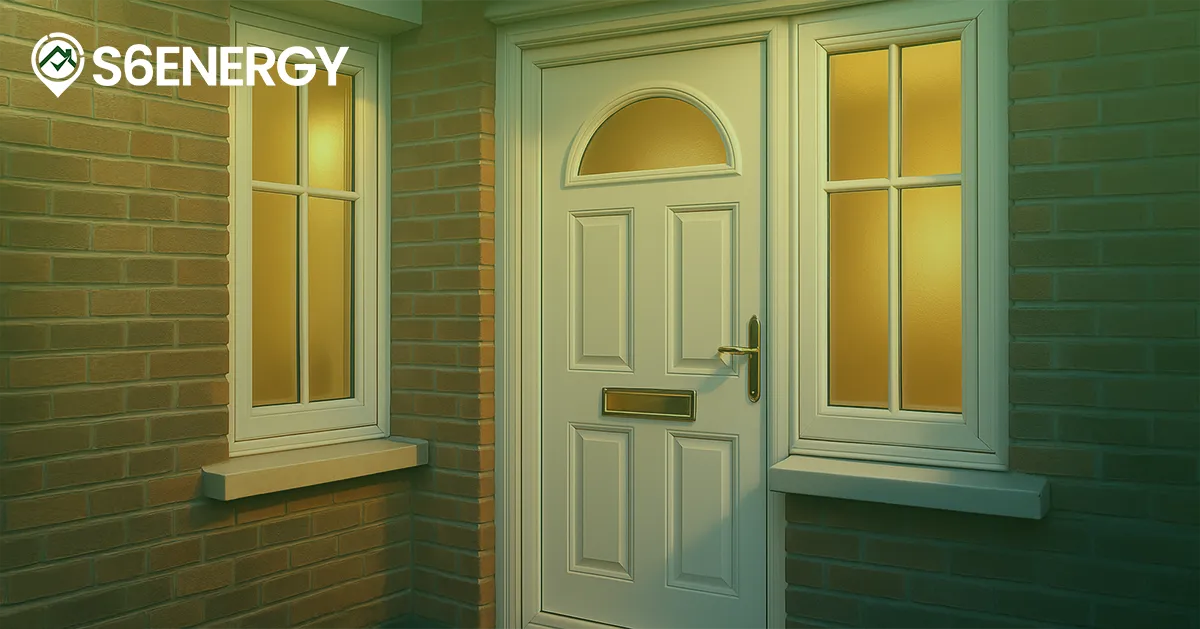
Draft Proofing Doors
Chimney draught proofing
If your fireplace is not working, then your chimney can be the cause of draughts. You should cover the chimney pot with a cap. Terracotta is a good material to use because it protects against moisture. And it also protects from birds. This is not very costly, you can buy it for around £150.
- Draught excluder for chimneys covers from inside and has to reduce escaping hot air from inside and also stop cold air from coming in.
- It’s good to cover the chimney with a breathable topper because ventilation is necessary.
- The draught excluder is removable as well, so this is a good thing to do for a fireplace

Draught-proofing Chimney
Other areas required Proofing.
There are some more areas which require draugh-proofing in your home. Here are some of them.
Floor boards and skirting boards
Cracks on the floor also require gaps and pillars so that these fillers can cover your floors both indoorsand outdoor floors. Skirting boards can be damaged from different sides because of daily use, and a filler can make them tolerate movements. Here are some options.
- Flexible fillers
- Decorator caulk
- Mastic type products.
These fillers can cover gaps and cracks permanently, but you should be careful while using them.
Attic draught proofing
Attics and lofts are the cold places of the house. This can also affect your living place, so you have to block draughts around your loft. Use strips on the door to cover it.
Pipe work
Small gaps around Pipework can appear; you have to cover them with silicon fillers, and you may also have to fill gaps with polyurethane foam.
Wall cracks
Wall cracks are coverable with cement or hard fillers. And also help to fit electrical wires in the wall. In case of a big crack, this can be considered a big problem. You have to hire a builder to address the crack causes and let them fix it.
Cost of draught proofing
Cost depends on the area of your home that requires draught proofing. The Proofing of Windows, doors, and floors costs vary by location and are also dependent on the amount of draught proofing required. Roughly, it can supposedly be £250 for the entire home. But for DIY solutions, it’s cheaper.
There is one more way to make your home warm, besides draught proofing, which is insulation. It is the best way to do your homework rather than proofreading.
Conclusion
Draught proofing is the most effective way to prevent cold air from entering your home. You can feel a comfy environment with heat effectiveness. However, ventilation is also an important part of the environment because it improves air quality indoors and also safety around fans and vents.
The Proofing helps to measure insulation standards and keep your home energy efficient. Draught proofing sometimes requires professional guidelines because some problems and cracks vary by situation. Otherwise, there are other ways, like DIY, which can be done at home with specific instructions and are cheap in cost.
Read More: Fix Drafty Floors
FAQs
How to draught-proof windows?
It’s easy to cover gaps and seal draughts around the window, especially when it’s addressed. Moreover, it’s important to seal gaps with strips on the window frame. Other sealing materials are also usable, like self-adhesive foam and brush strips. Thermal curtains are also a good solution for insulation.
How do you draught-proof a UPVC door?
UPVC doors’ Proofing is possible with rubber seals and hinges, which are adjustable. Fitting brush and threshold seals are also helpful to stop cold air.
How to draught-proof the front door?
You must seal the gaps in the front door, which helps you to prevent cold air and also stop heat from escaping. Use brush strips and also keep a check on the letterbox. Furthermore, ventilation vents must be clear for a healthy environment.
What is draught proofing?
This process covers and seals the draught gaps, which helps to cover the cracks in the entire home. Also helps to keep the home environment hot and comfy.
How to draught-proof your home?
Draught-proofing of your home is easy to seal the cracks and gaps around doors and windows. Foam and strips, including a draught excluder, are very helpful. The second process is insulation, which is better suited to the home. Thermal curtains are more protective than all procedures.